Cybersecurity Apprenticeship Interview Questions: What Companies Actually Test
A hiring manager at a managed security provider described the best apprentice she ever hired as someone who could barely explain what a SIEM (Security Information and Event Management system) was during the interview. What made the difference was a ten-minute conversation about a home router the candidate had configured, locked down, and then accidentally bricked while experimenting with firewall rules. "She told me exactly what went wrong, what she tried, and what she learned. That told me she could handle the learning curve."
Apprenticeship programs exist because companies want to train someone from the ground up. That changes what the interview is actually testing. They are not trying to find out how much you already know. They are trying to predict how fast you will learn and whether you will be safe to invest in.
Apprenticeships are not junior jobs
This is the part most candidates get wrong. A junior analyst role assumes you can contribute independently within weeks. An apprenticeship assumes you need months of structured development before you are fully productive. That is not a weakness. It is the whole point of the program.
Companies create apprenticeship tracks because they want to shape someone into the kind of analyst they need, rather than compete for candidates who already have the skills. This means the hiring criteria are different. Technical depth matters less. Learning velocity, communication habits, and honesty about what you do not know matter more.
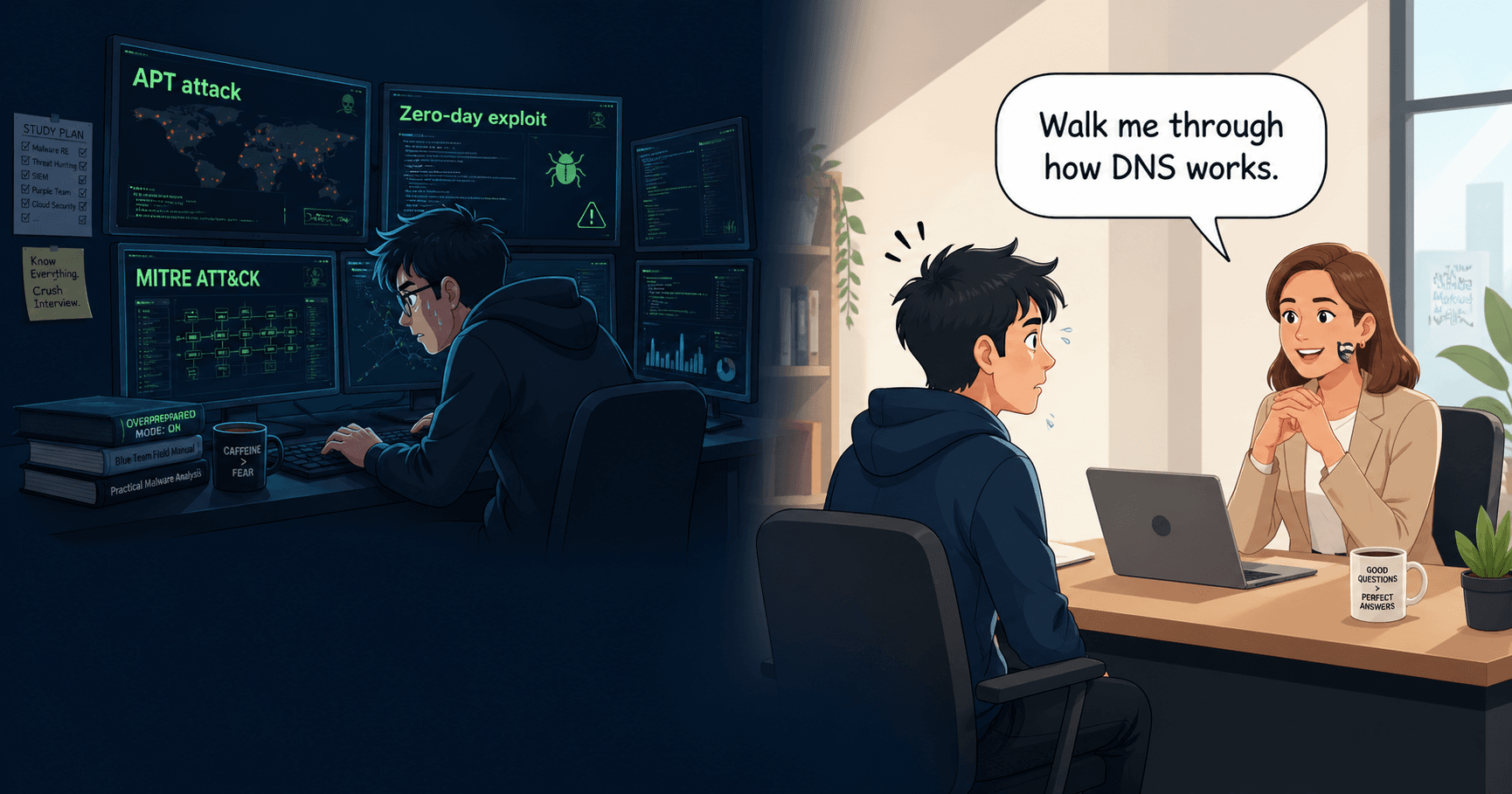
If you walk into an apprenticeship interview trying to prove you are already a capable analyst, you are answering a question nobody asked.
The coachability test
Every apprenticeship interview has some version of a coachability test, even if it does not look like one. Sometimes it is direct: "Tell me about a time you received feedback that was hard to hear." Sometimes it is indirect: the interviewer introduces a concept during the conversation and watches whether you engage with it, ask questions, or pretend you already knew.
The signal they are looking for is simple. When you hit the edge of your knowledge, do you get defensive, go quiet, or get curious?
Candidates who say "I have not worked with that, but here is how I would start learning it" score much higher than candidates who nod along and hope the topic changes. Apprenticeship programs cannot afford to invest twelve months in someone who hides gaps instead of surfacing them.
What the technical questions actually test
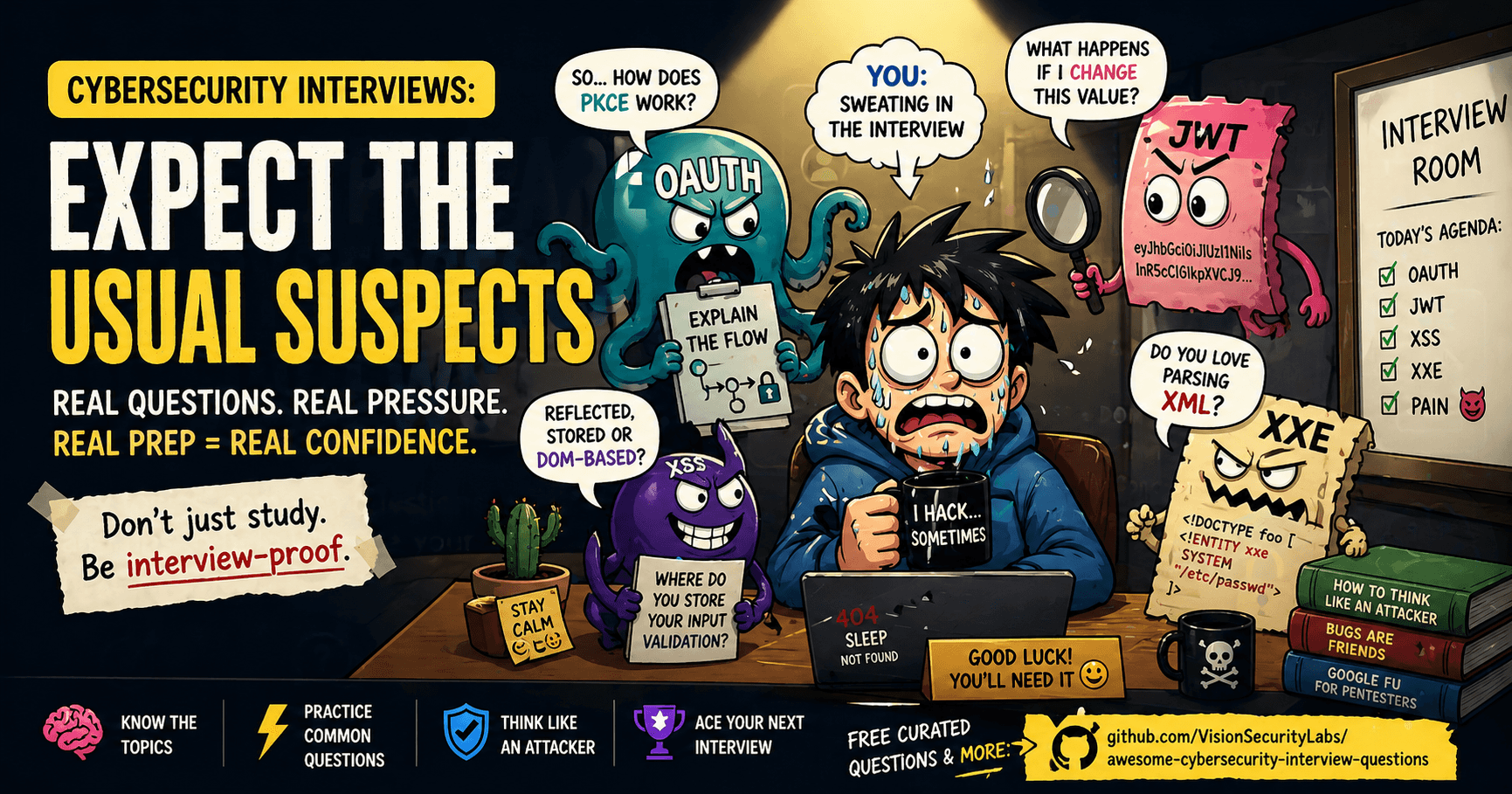
You will get technical questions, but the bar is lower than you expect. Common topics include phishing recognition, the difference between authentication and authorization, why patching matters, what logs reveal during an investigation, and what least privilege means in practice.
These are not trick questions. They are baseline checks. What matters is not whether you can recite a textbook definition, but whether your understanding is stable enough to build on. An interviewer can tell the difference between someone who memorized "least privilege means giving users only the access they need" and someone who can explain why that principle makes incident investigation easier.
If a question catches you off guard, say so and reason through it. That is a better signal than a polished answer you clearly rehearsed.
Show evidence of initiative, not expertise
You do not need professional security experience for an apprenticeship. You need evidence that your interest is active, not passive.
The strongest candidates can point to something specific they built or explored on their own: a capture-the-flag exercise, a router they hardened, a write-up they completed for a class or just for themselves. The project does not need to be impressive. It needs to show that you do things with what you learn.
One detail that catches candidates off guard: interviewers often ask follow-up questions about your projects. If you mention a lab, expect "What went wrong?" or "What would you change?" Having a thoughtful answer to those follow-ups matters as much as the project itself.
What your first 90 days will look like
Understanding the role helps you prepare for the interview. Most cybersecurity apprenticeships start with a ramp-up period: shadowing analysts, learning internal tools, completing structured training modules, and handling low-risk tickets under supervision.
By month three, a typical apprentice is expected to triage basic alerts, write coherent ticket notes, follow documented playbooks, and ask good questions when something falls outside the playbook.
If your interview answers show that you understand this progression and are ready for it, you are already ahead of candidates who pitch themselves as ready to investigate breaches solo.
Preparing without overthinking it
Focus your preparation on three things.
First, be ready to explain a few basic security concepts in your own words, clearly and without jargon. Practice saying them aloud, because verbal fluency under pressure is a separate skill from understanding.
Second, have one project or exercise you can walk through in detail, including what went wrong and what you learned from the failure.
Third, think about why you want this specific apprenticeship rather than a different entry path. Interviewers can tell when someone applied to fifteen programs and is winging the "why here" question.
If you are not sure whether an apprenticeship or a direct junior role is the better fit, the difference often comes down to how much structure you want. Apprenticeships give you a training framework. Junior roles expect you to build your own. Our guide on preparing for your first cybersecurity job interview covers the junior path in more depth.
The apprenticeship interview is not a test of what you already know. It is a bet on how you learn. Show that you are honest, curious, and already building habits, and you will clear a bar that many technically stronger candidates miss.