Seven Answer Patterns That Make Security Hiring Managers Hesitate
After years on hiring panels, these are the patterns that make me pause: jumping to tools, skipping trade-offs, and never asking clarifying questions. With examples.
Interview tips, career guides, and expert advice for cybersecurity professionals.
After years on hiring panels, these are the patterns that make me pause: jumping to tools, skipping trade-offs, and never asking clarifying questions. With examples.
Interview PrepIoT security interviews test whether you understand what makes the domain different: devices that cannot be patched easily, physical access as a given, and opaque supply chains.
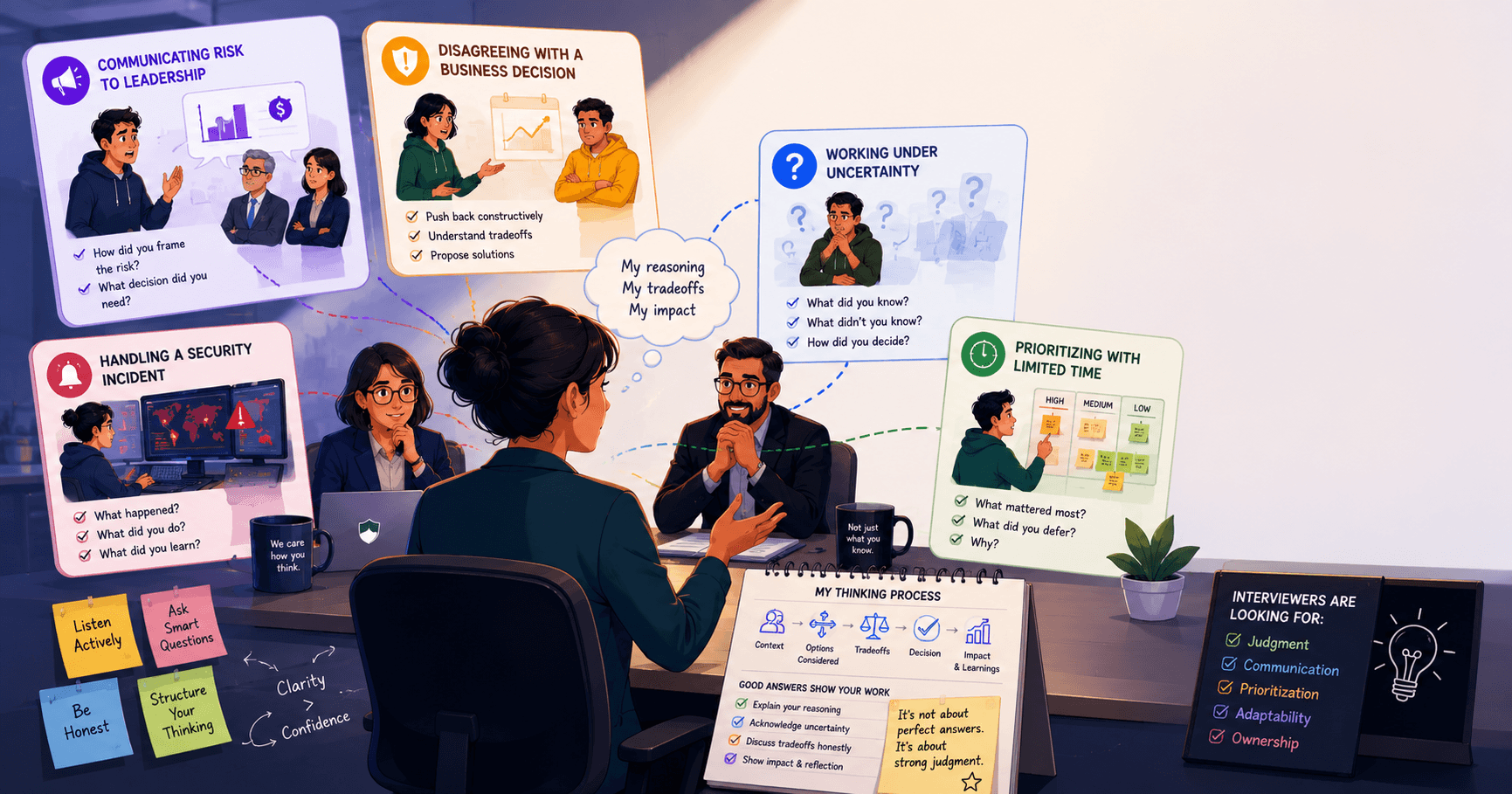
Interview PrepFour real behavioral questions, what the interviewer is evaluating behind each one, and how to answer them with the specificity that gets offers.
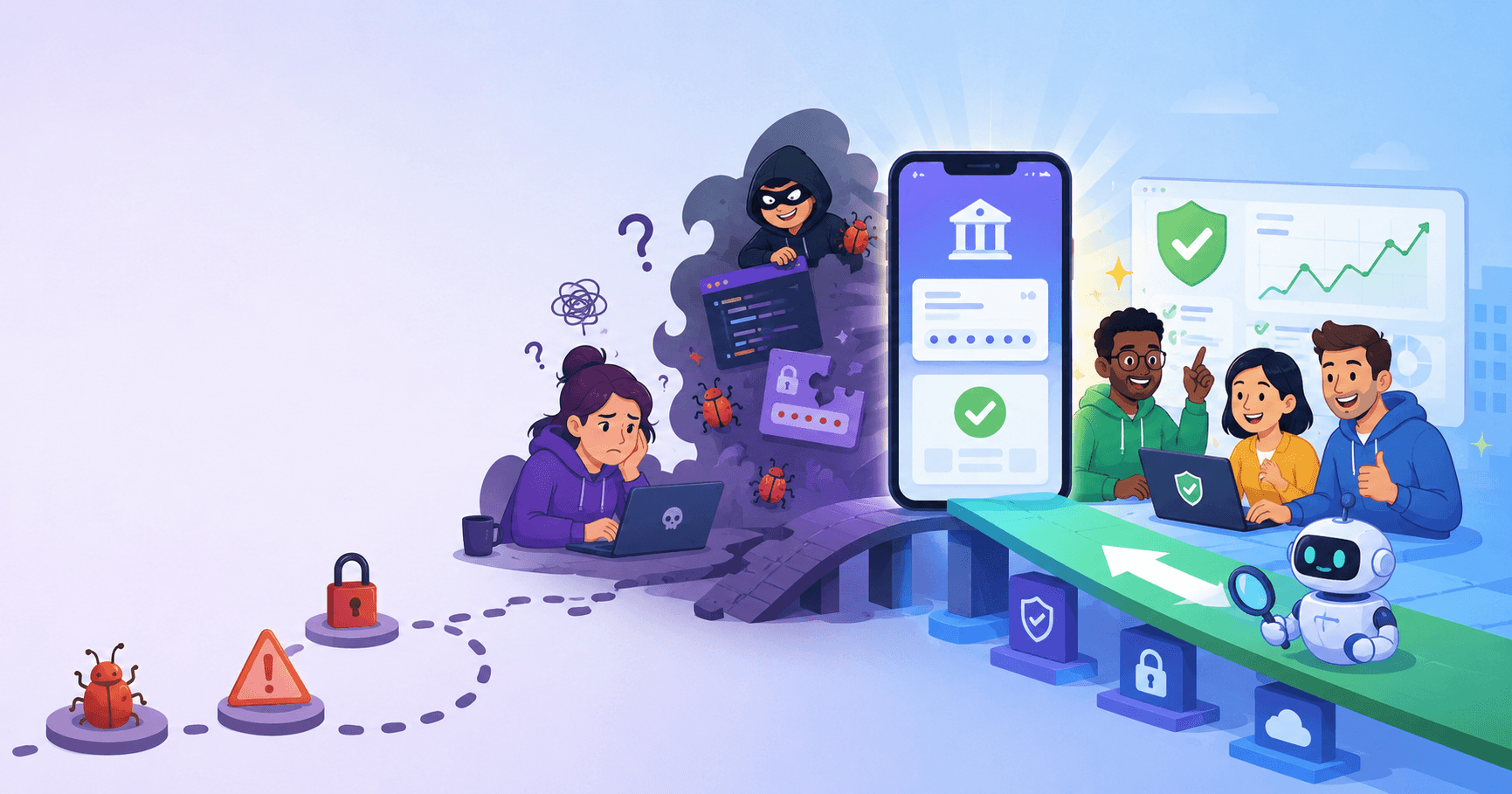
Interview PrepMobile security interviews walk through a real assessment layer by layer: binary, local storage, runtime, network. Platform differences between iOS and Android matter.
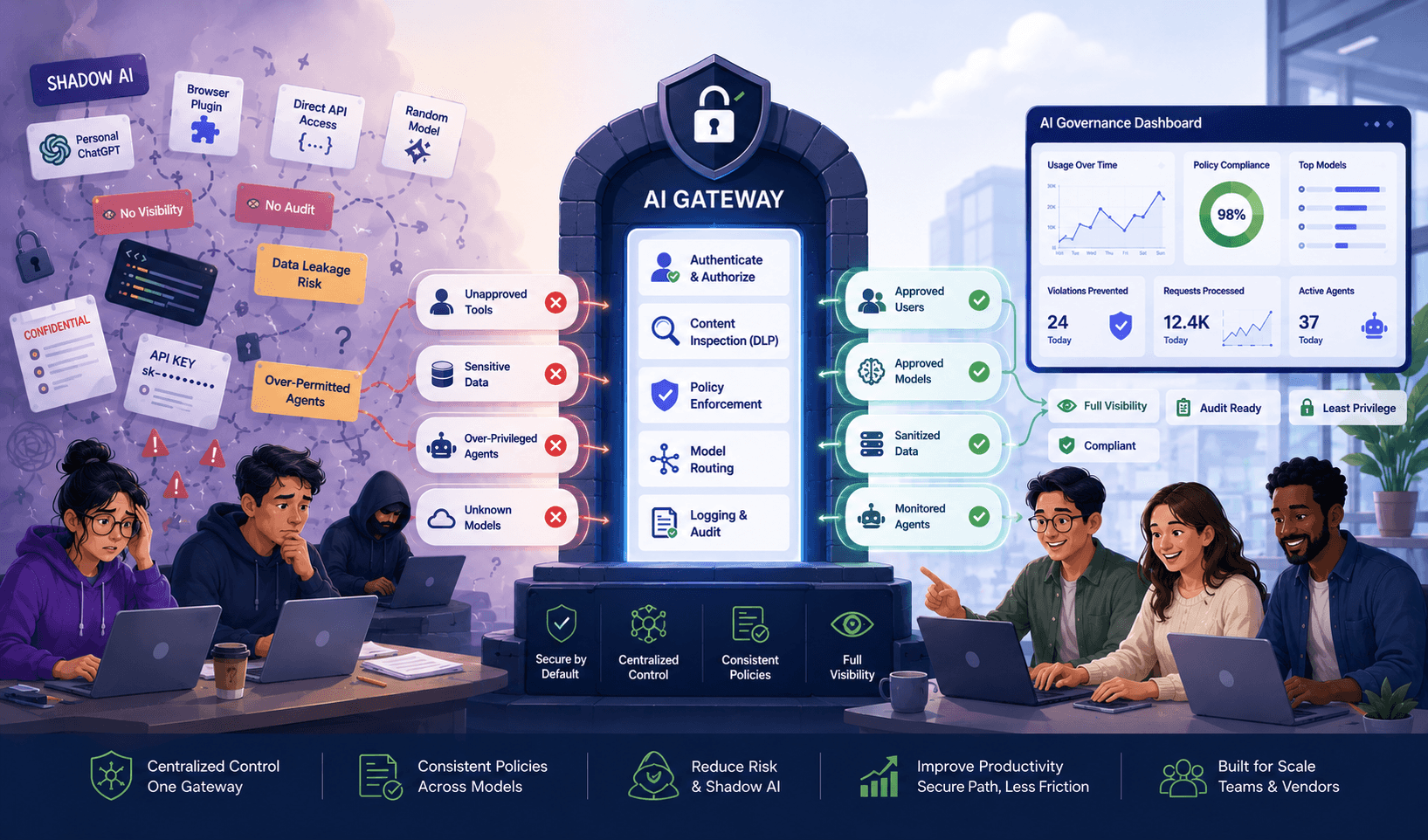
Security StrategyTeams are already using LLMs in production. The governance question is not whether to allow it but how to build an enforcement surface: AI gateways, data classification, coding agent scoping, and audit-ready logging.
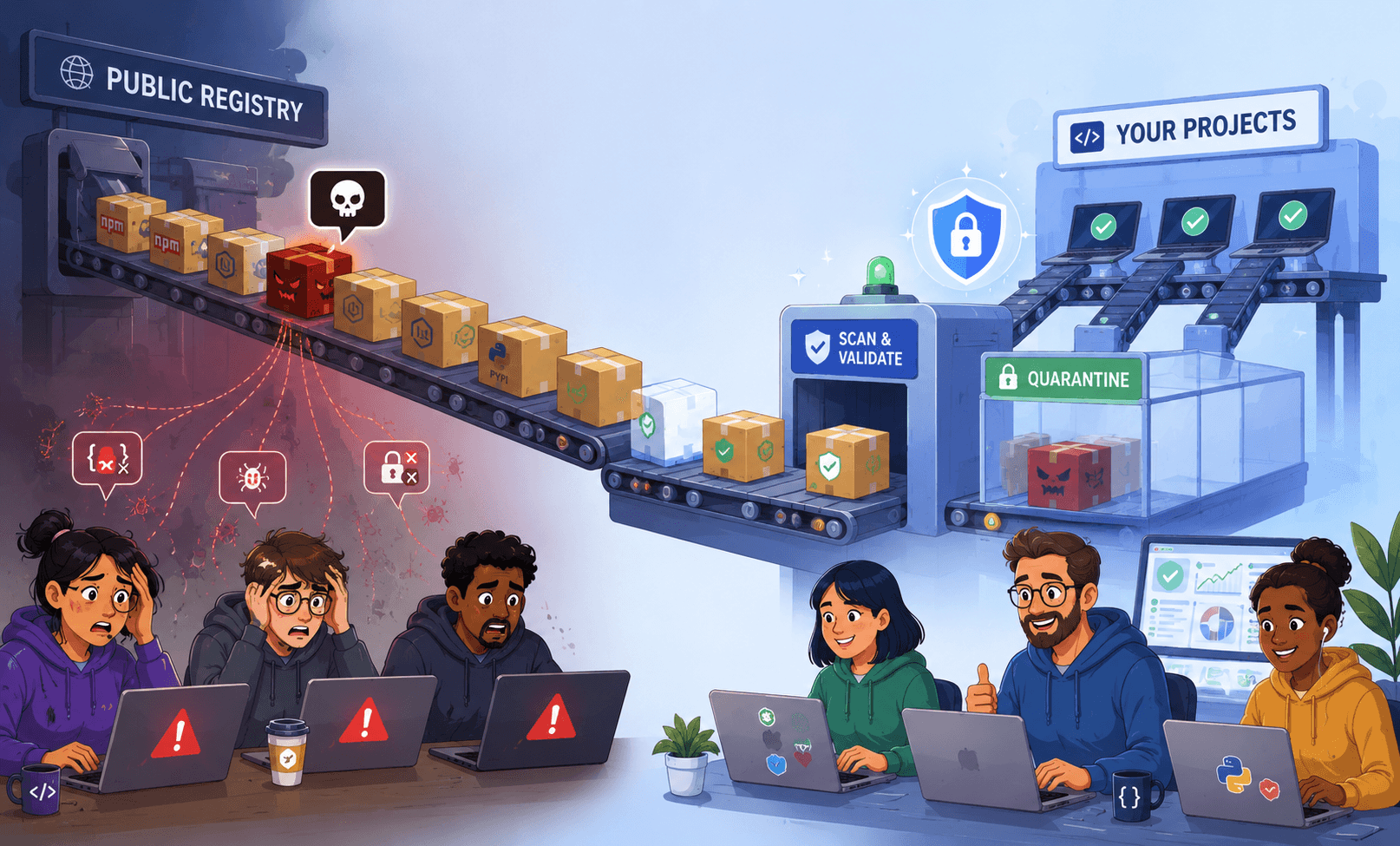
Threat Analysis400,000 secrets exfiltrated. 60% of stolen npm tokens still valid a week later. Three waves, one pattern: a preinstall hook with access to everything in scope. Here is the kill chain and what would have broken it.
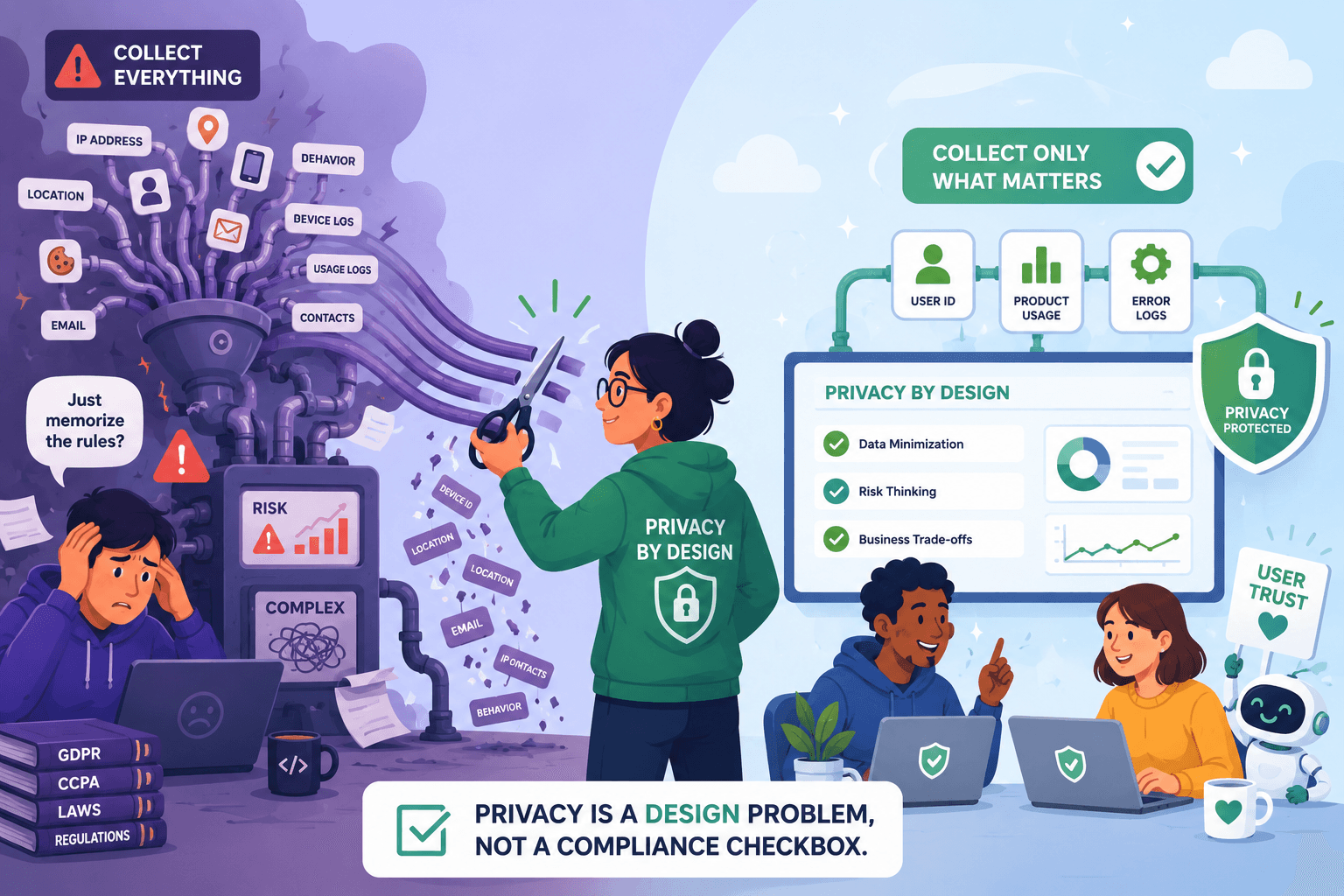
Interview PrepThe Austrian Google Analytics ruling showed what happens when companies check the legal box without thinking about data flows. Privacy interviews test whether you would have seen it coming.
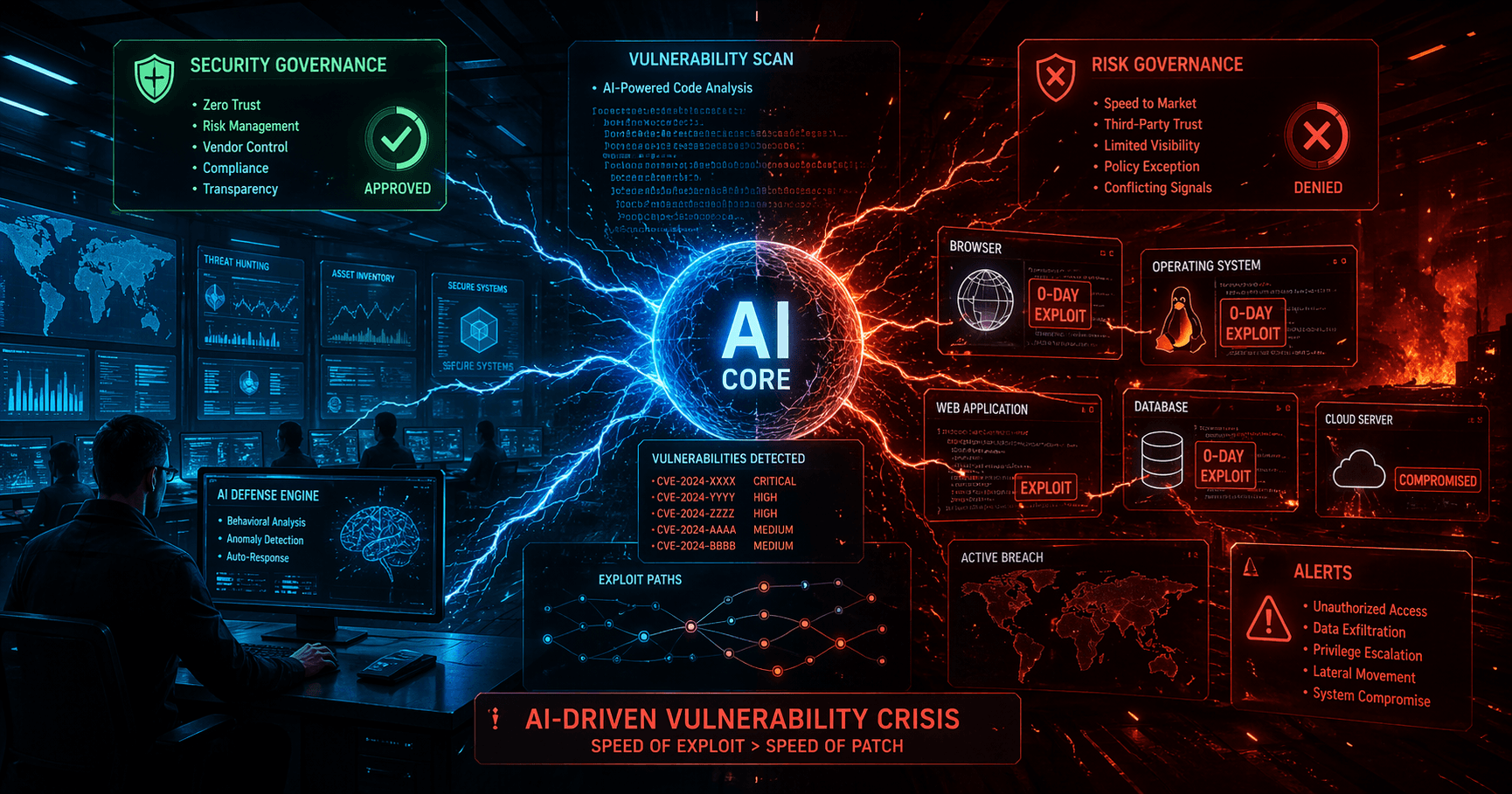
Security StrategyAnthropic's Mythos discovered thousands of zero-days with 72% exploit success rate. Time-to-exploitation collapsed to hours. Here's what security practitioners should prioritize immediately.
Interview PrepJunior SOC interviews do not require senior incident-response depth. They test alert triage basics, communication quality, and whether you can investigate without inventing facts.
Career GuideMost cybersecurity teams set a low technical bar for interns on purpose. What they are actually evaluating is whether you can turn twelve weeks of access into something useful. That realization changes how you should prepare.
Career GuideApprenticeship programs exist because companies want to train someone from the ground up. That changes what the interview is actually testing. They are not measuring what you know. They are predicting how fast you will learn.
Career GuideMost people preparing for their first cybersecurity job interview study too hard in the wrong direction. Entry-level interviews are not scaled-down versions of senior interviews. They test different things entirely.
Career GuideIt depends on what kind of work you want to do every day. Honest descriptions of SOC, pentesting, GRC, AppSec, and cloud security, including the parts nobody glamorizes.
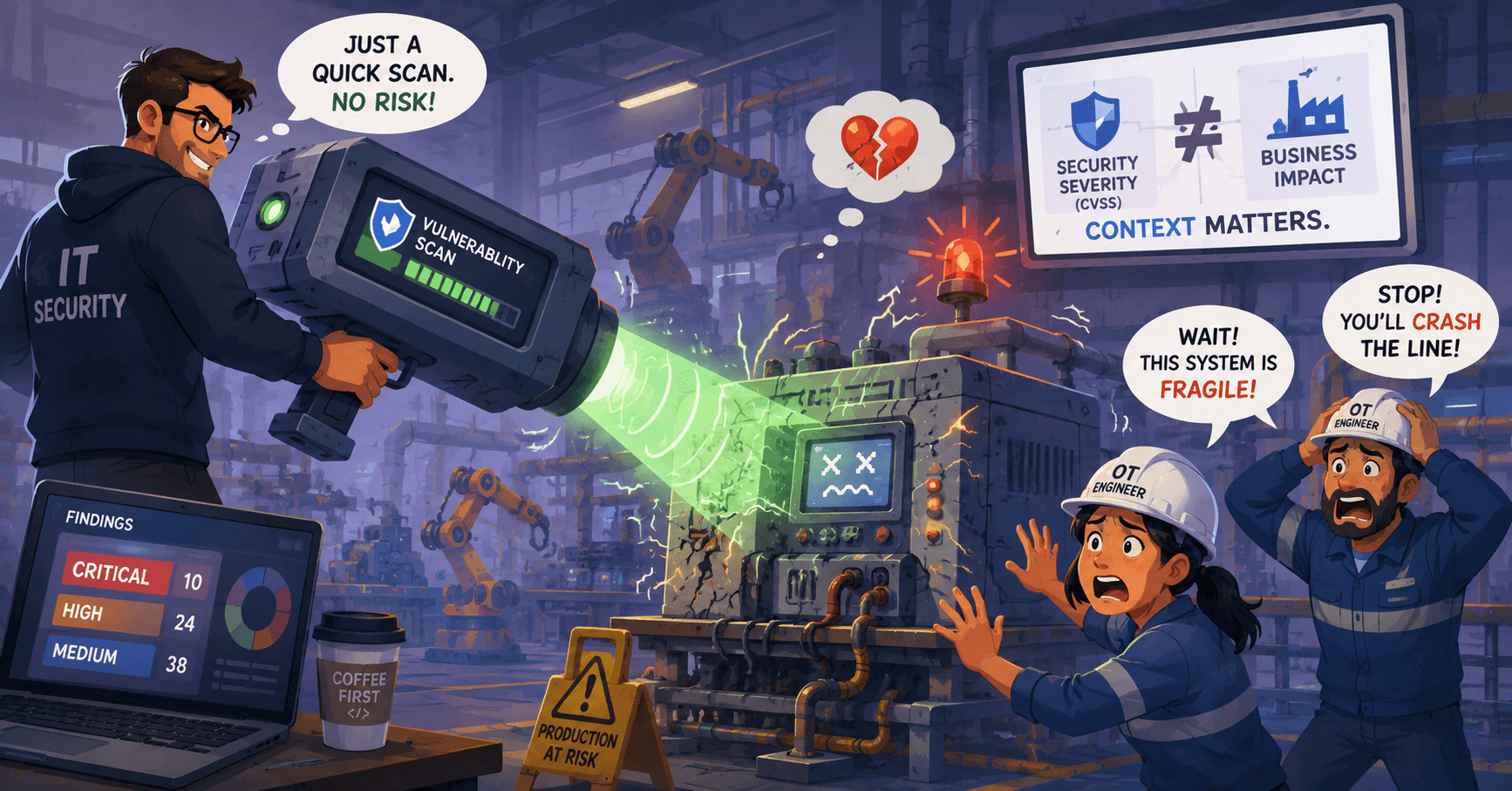
Interview PrepA security consultant ran a vulnerability scan against a production PLC and crashed it. OT interviews are designed to find out if you would make the same mistake.
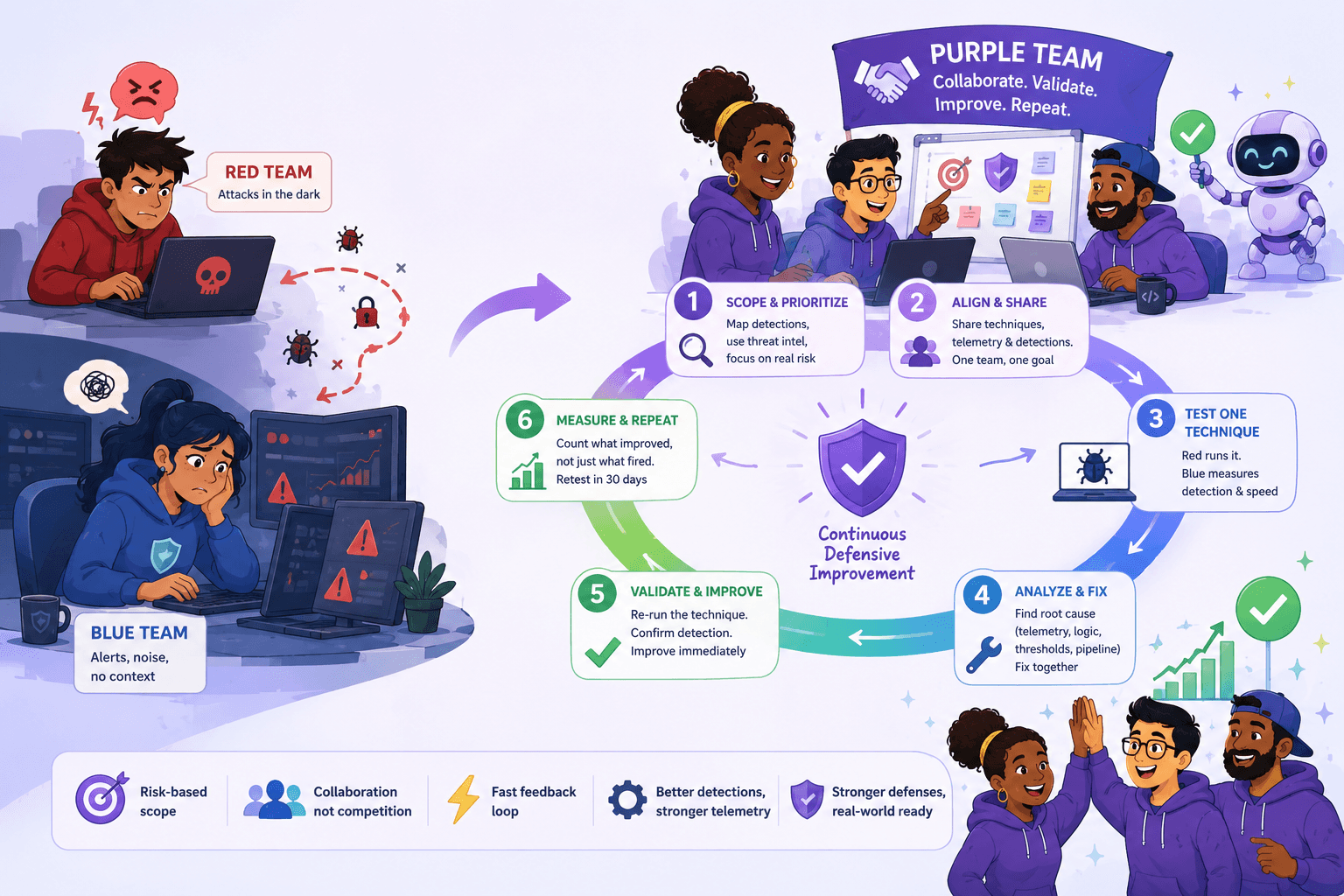
Interview PrepMost people think purple teaming is just red and blue in the same room. A day-by-day walkthrough of what interviewers want you to understand about the process.
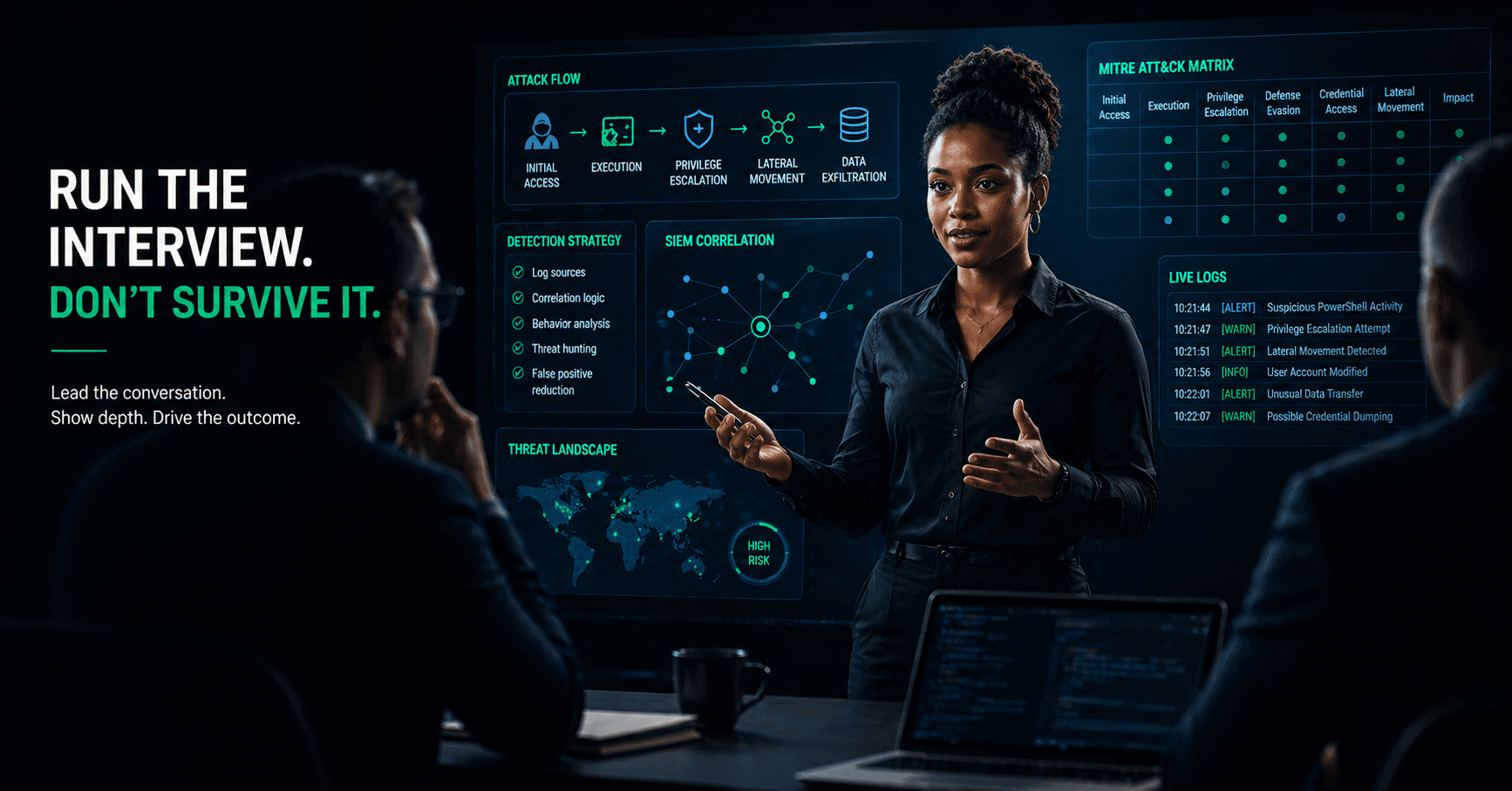
Interview PrepThe candidate who gets the offer is not always the one with the deepest knowledge. It is the one who controls pace, plants technical hooks, and signals seniority through methodology, not recall speed.
Interview PrepNetwork security interviews always test three things: understanding normal traffic, segmentation as a detection tool, and environment-specific detection logic.
Interview PrepJumping into IDA Pro is the most common malware analysis interview mistake. Interviewers want triage thinking: context, then sandbox, then depth only when needed.
Threat AnalysisCEO fraud has evolved from spoofed emails to deepfake calls, but the main lesson is not about malware. It is about verification, payment controls, and what sits outside traditional telemetry.
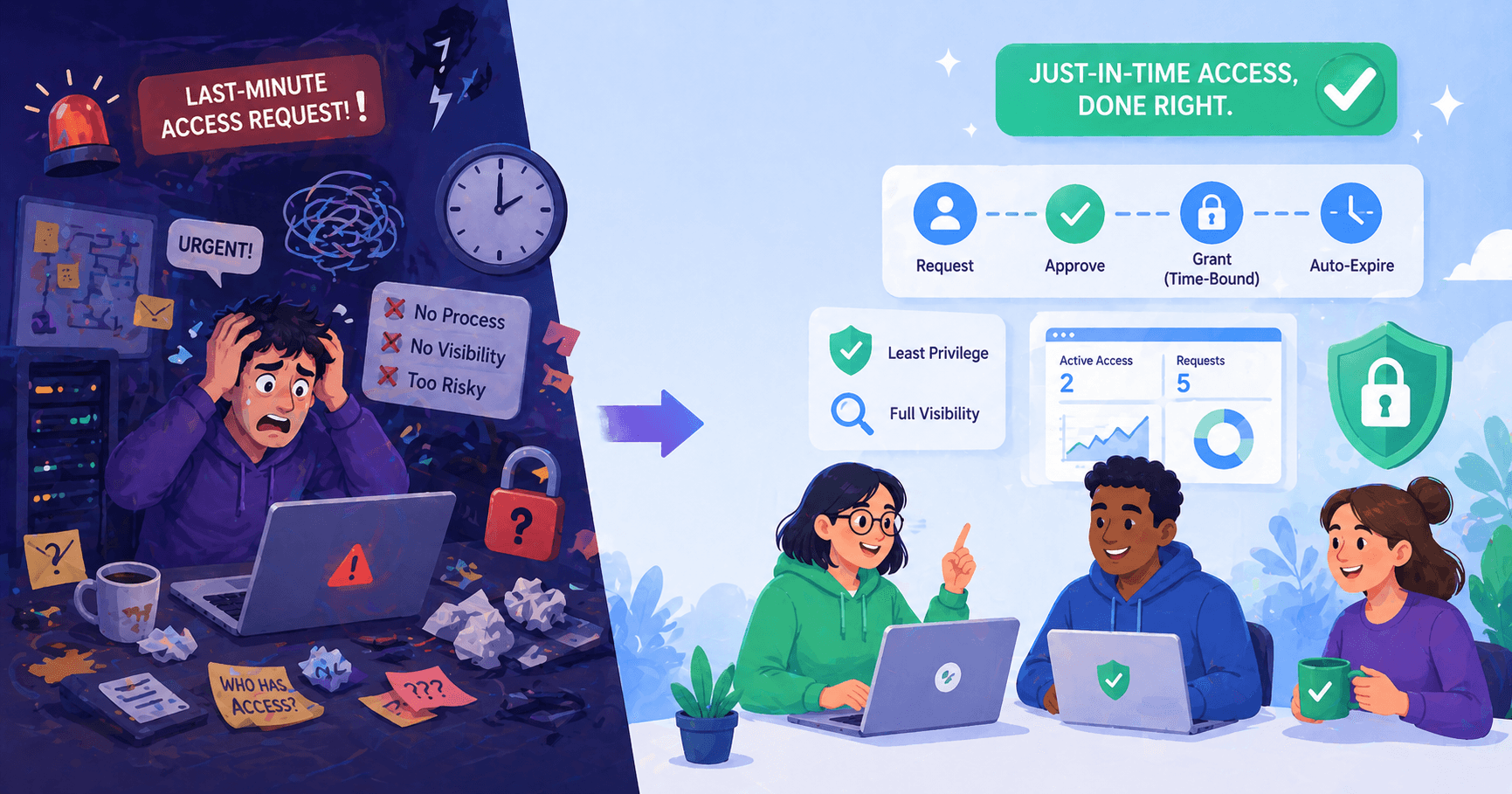
Interview PrepIAM interviews test whether you treat access requests as tickets to close or signals to investigate. One scenario, walked through the way interviewers want to hear it.
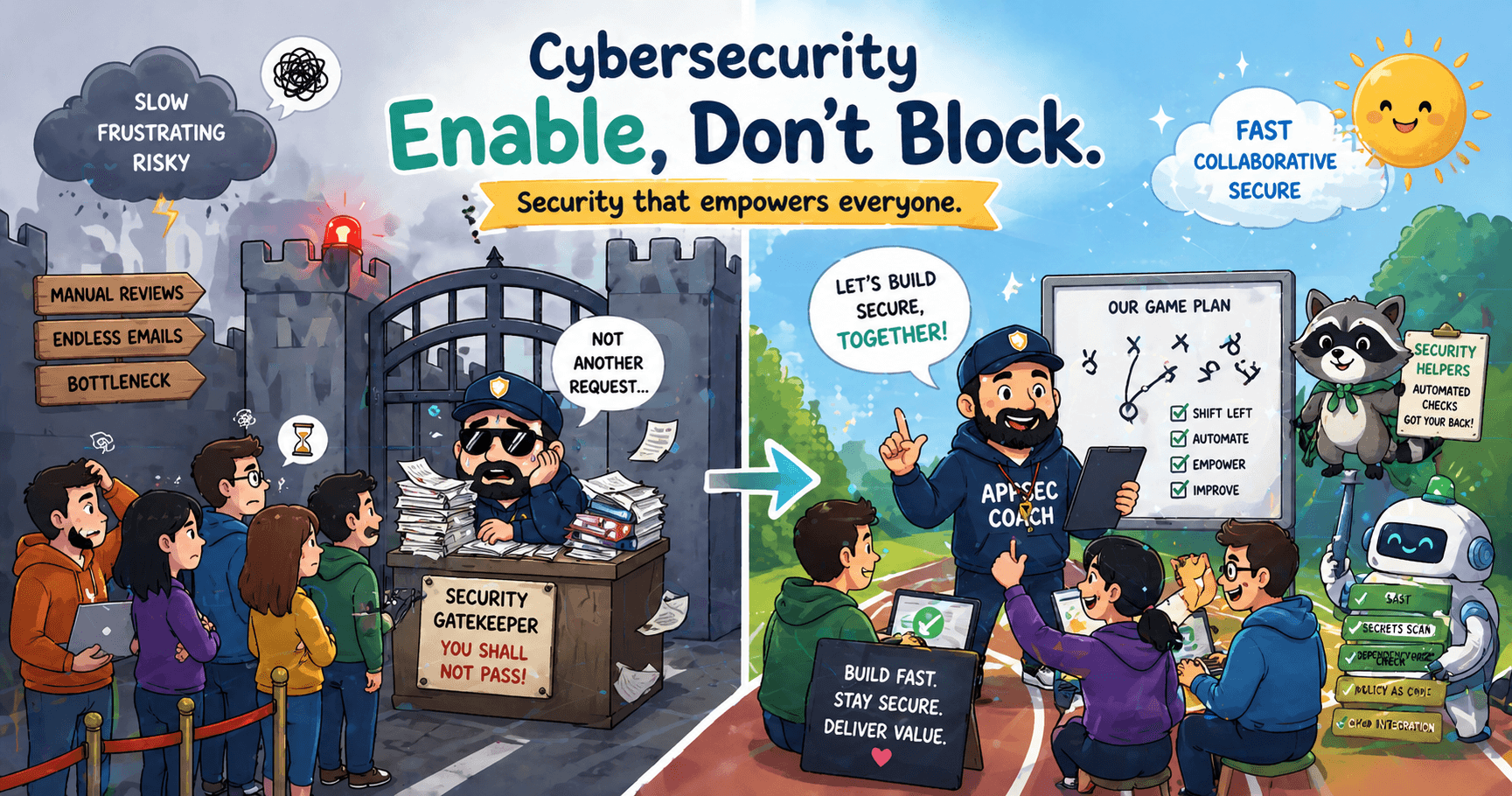
Interview PrepAppSec interviews test whether you will be a force multiplier or a bottleneck. A case study approach to the question every hiring manager asks.
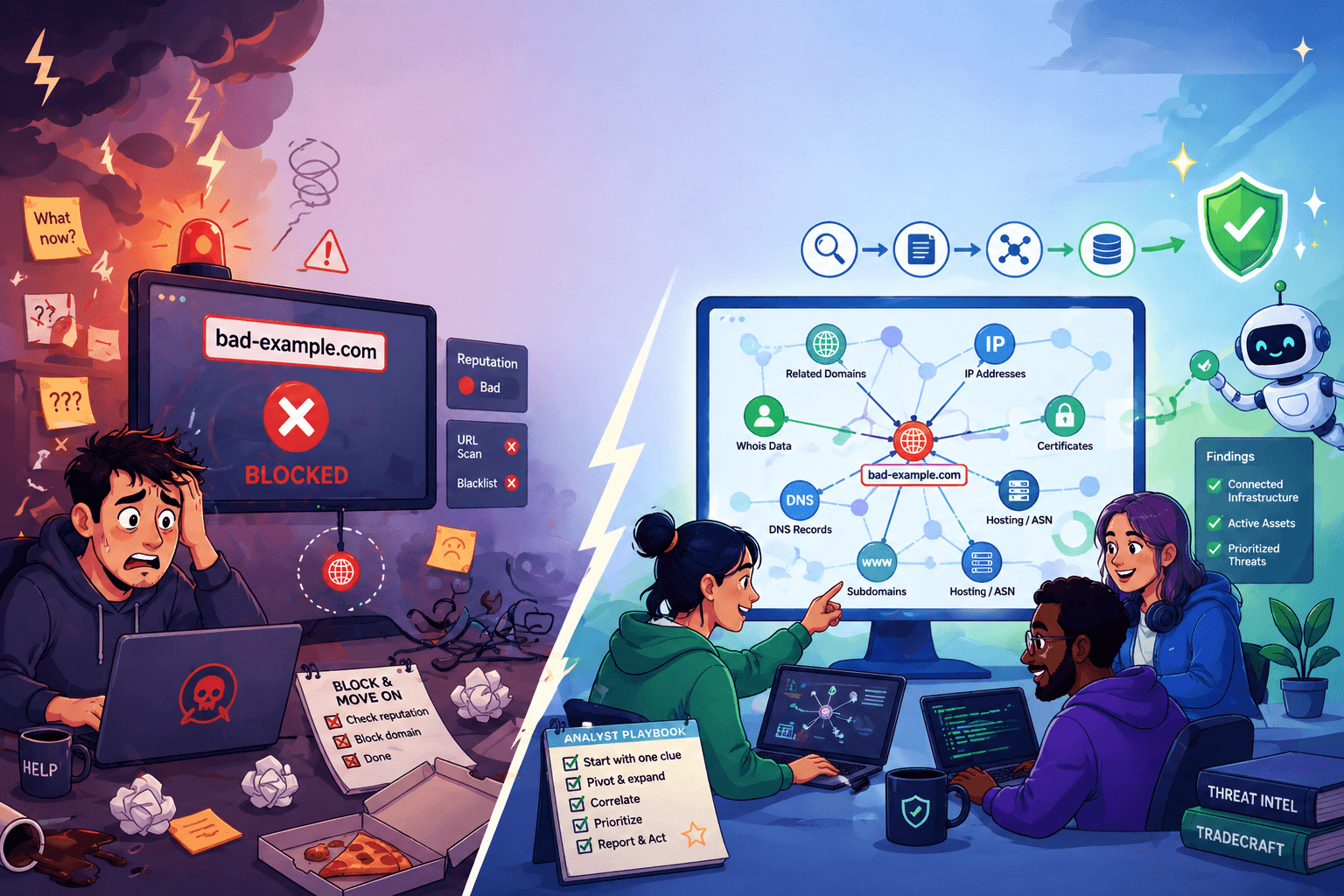
Interview PrepThreat intelligence interviews do not test whether you can run reputation checks. They test whether you can pivot from one malicious domain into a defensible infrastructure picture.
Interview PrepSecurity engineering interviews often test prioritization under constraint. Strong candidates start with the threat model, choose the highest-value layers first, and name the accepted risk.
Interview PrepSorting findings by severity is not risk analysis. Strong GRC candidates start with assets, business impact, likely threats, and treatment options that fit the real context.
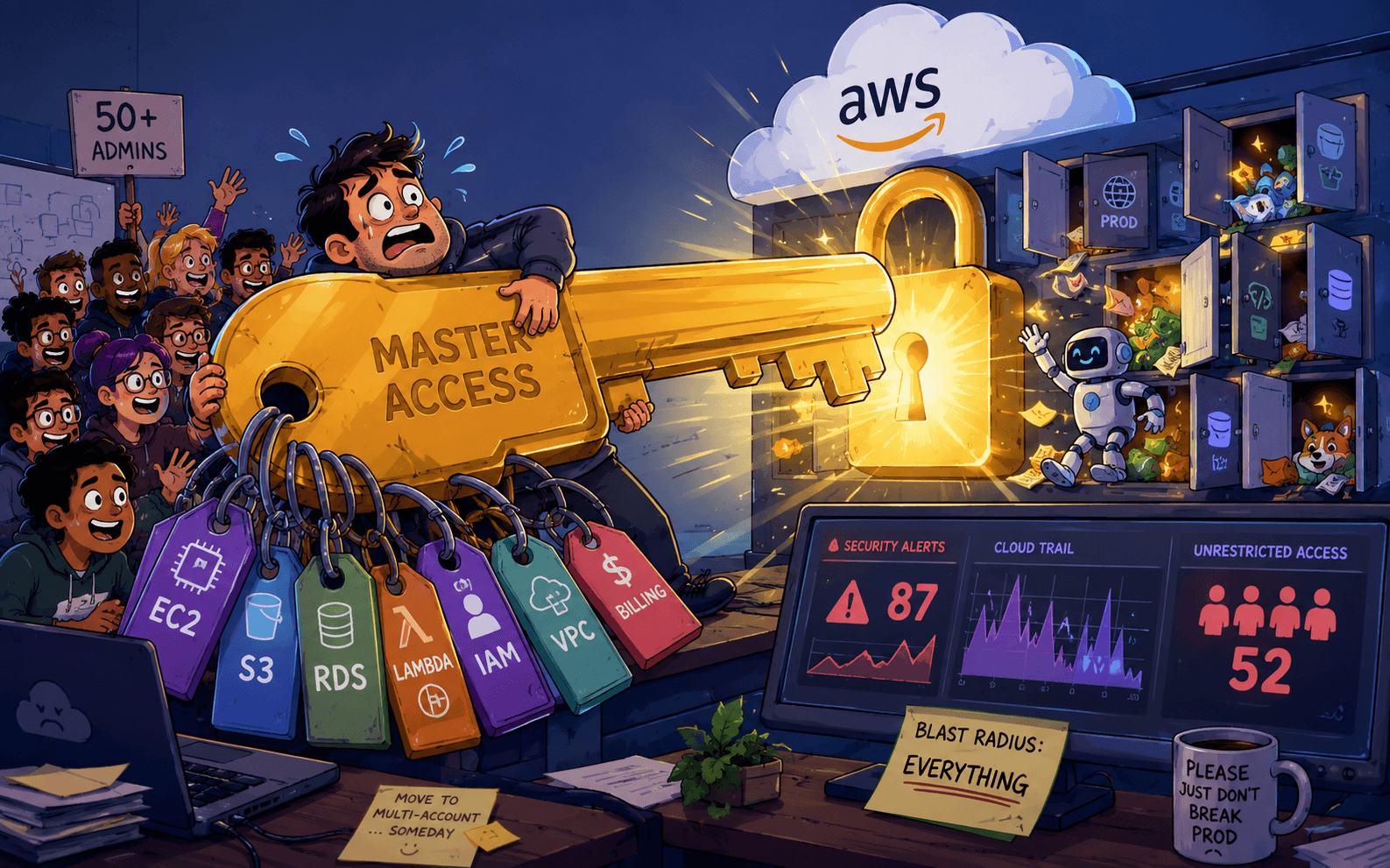
Interview PrepCloud security interviews often hide an architecture problem inside a people problem. Strong candidates explain blast radius, developer velocity, and phased control rollout together.
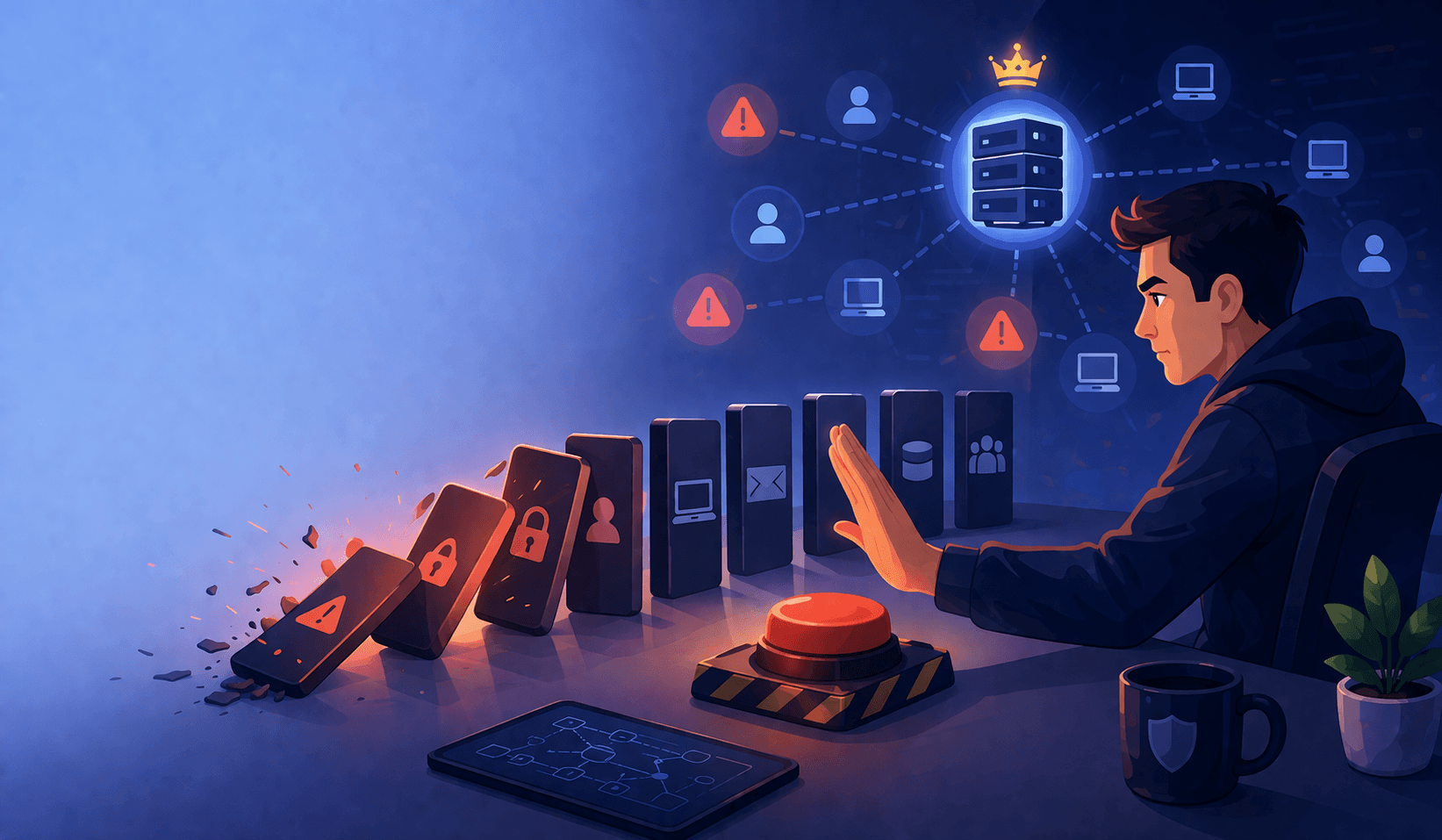
Interview PrepA domain controller is making outbound connections and auth failures are spiking. Walk through the first hour the way interviewers want to hear it.
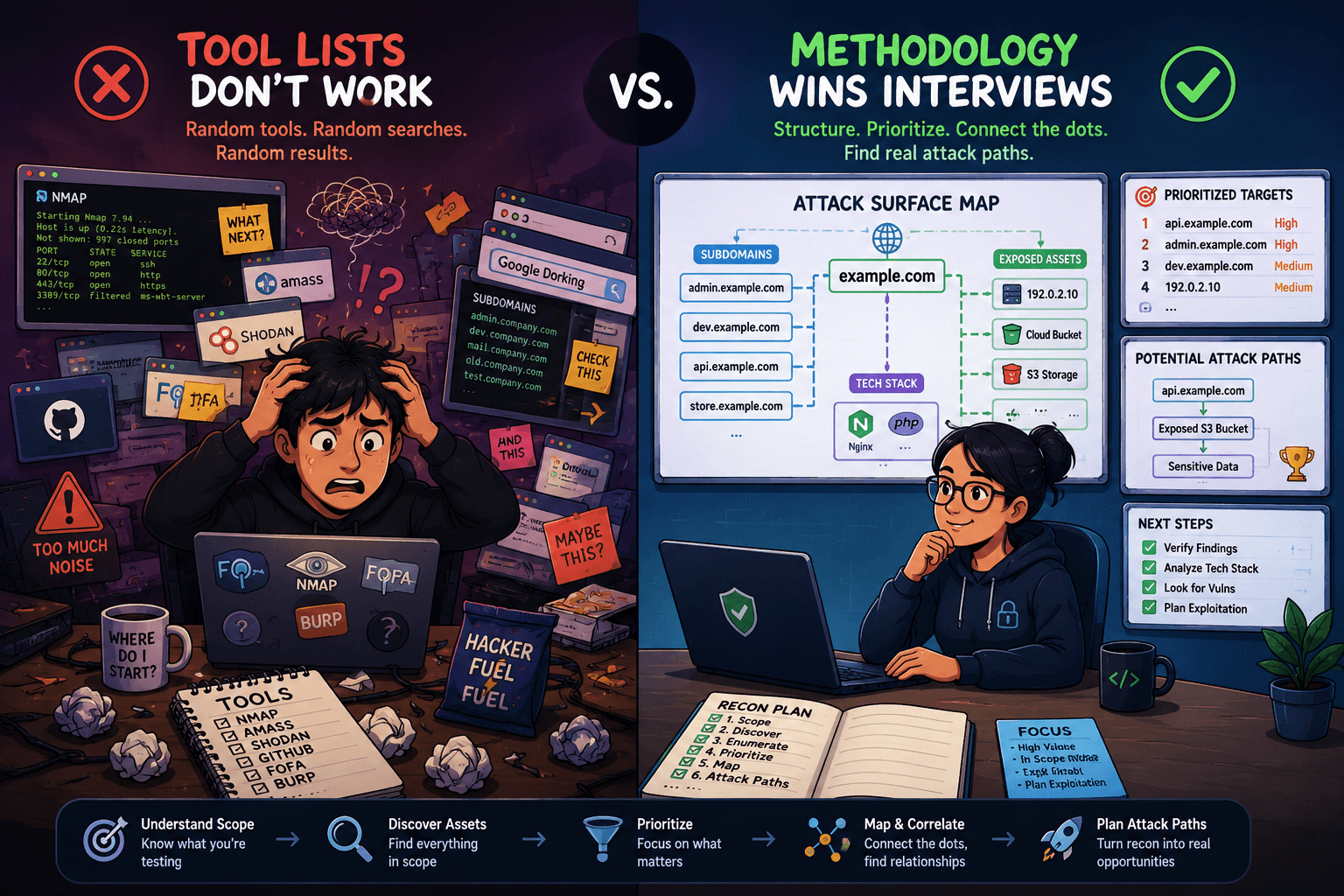
Interview PrepPentest interviewers are not looking for tool recitals. They want to hear how you structure reconnaissance, prioritize findings, and translate OSINT into attack paths.
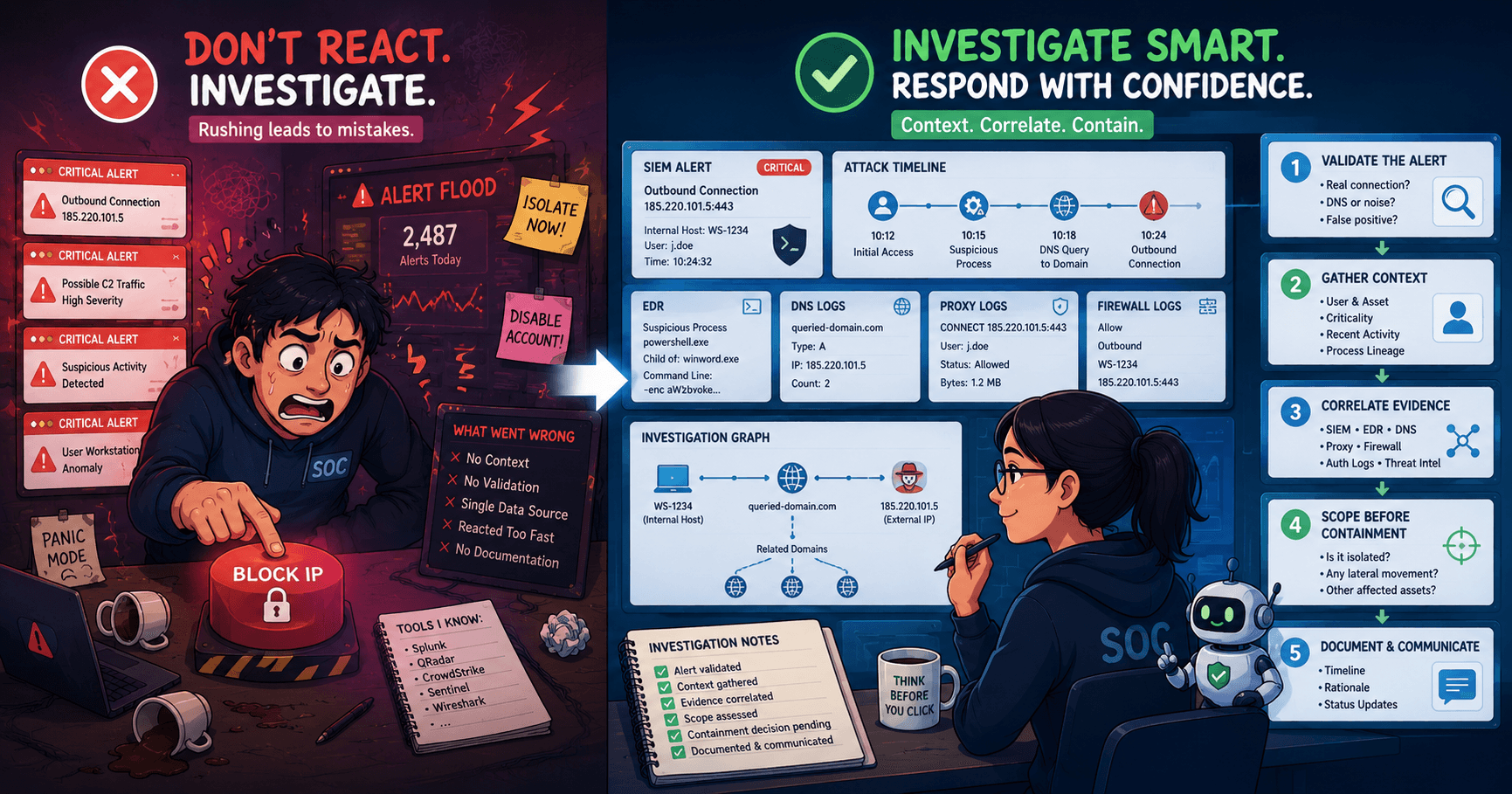
Interview PrepAfter sitting on SOC analyst hiring panels, the pattern is clear: strong candidates explain their reasoning, weak ones list tools. Here is what actually separates them.